The Anatomy of a Lighting Setup in Product Photography
Lighting · Technique · 18 August 2026 · 6 min
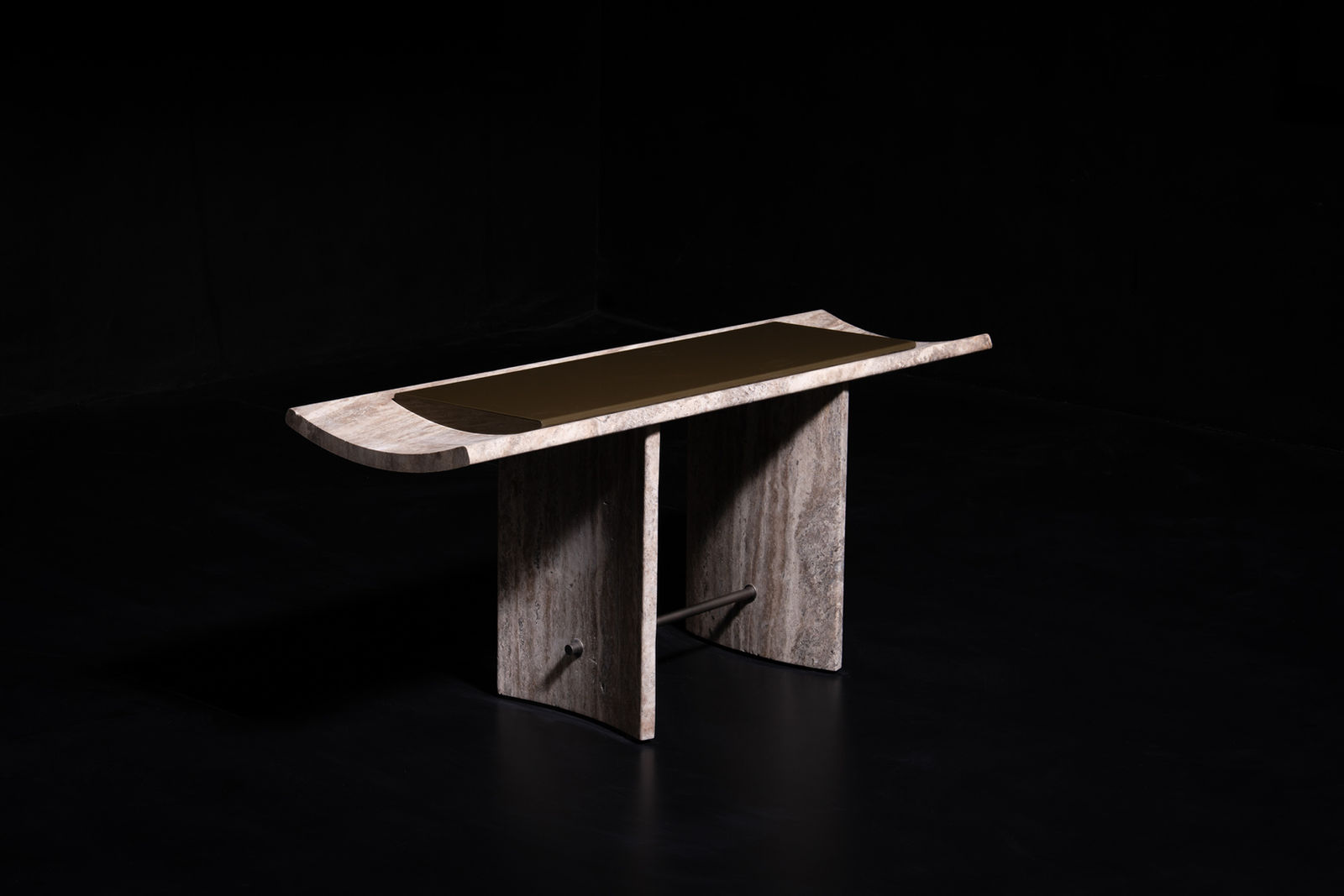
In product photography light is not a decorative layer; it is the language that describes the product itself. Glass, ceramic, wood and metal behave completely differently under the same setup. So the first question on every shoot is: what should the viewer feel about this product?
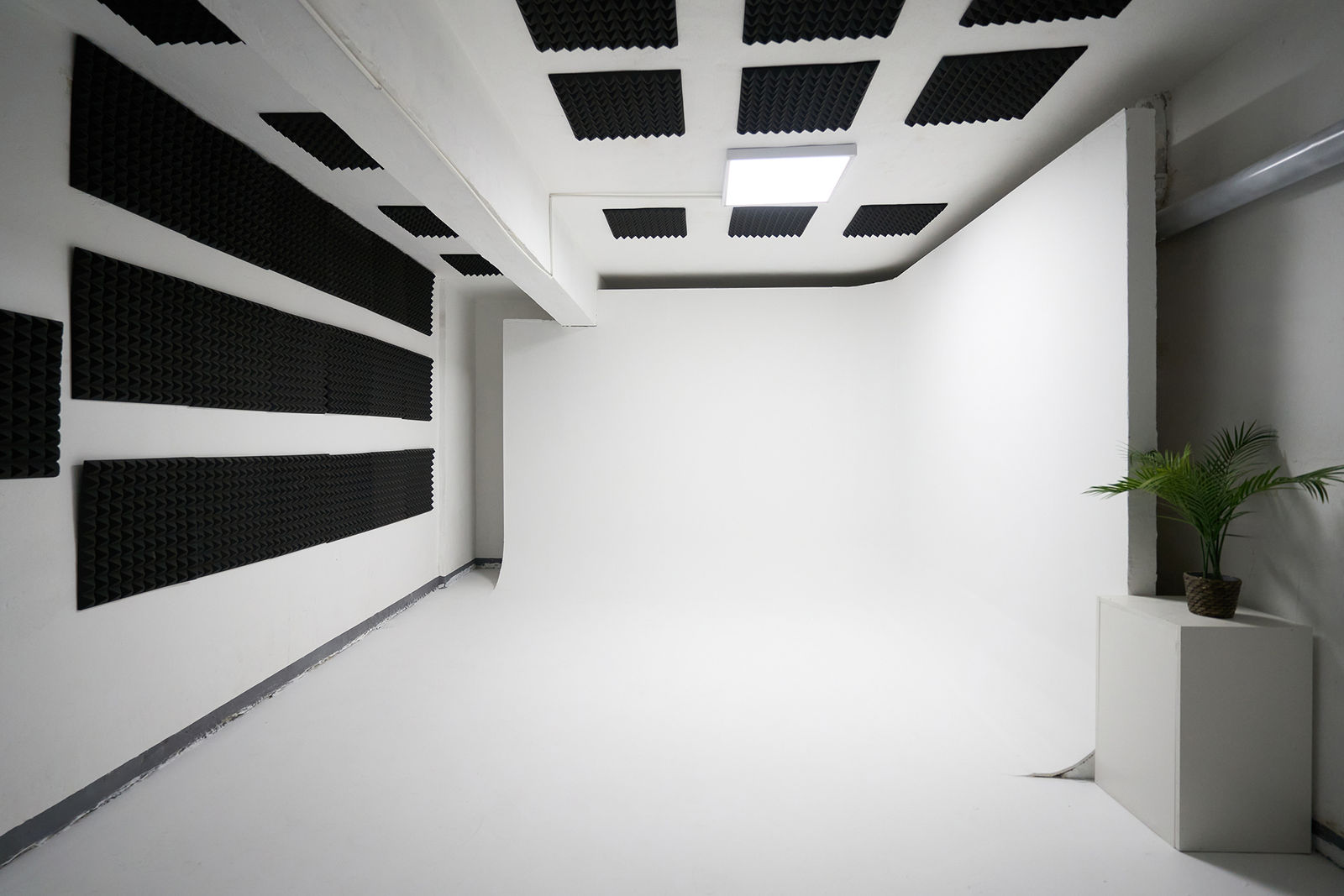
In our Whitebox studio we usually start with a single main source. We build a soft, directional key light with a GODOX DP 600 through a large softbox, then add fill and rim lights according to the material.
An approach per material
Glossy surfaces reflect light, matte surfaces absorb it. With ceramics and textiles we light from the side at a low angle to reveal texture, while glass needs a large, even reflective surface.
With metal, control is entirely about managing the environment: every surface that enters the frame shows up as a reflection on the product.
Campaign versus catalogue
Catalogue images prioritise consistency and clarity; the same lighting scheme is kept across dozens of products. Campaign images foreground atmosphere, with contrast and shadow deliberately turned dramatic.
In both cases a reference board prepared before the shoot cuts the time spent on set in half.
Words by
Arkhe Visual Studio